
Why talking about suicide is the best way to prevent it
Mental health agencies encourage conversation and sharing stories as a key method of preventing suicides.

This article is part of an ongoing #UnitedForGood series highlighting people, agencies, and programs the United Way of Bay County supports.
If you think someone is feeling suicidal, the best thing to do is to talk directly to them about it. That may feel counter-intuitive, but mental health experts agree it’s the best way to prevent suicide.
National Suicide Prevention Month is in September. Throughout the month, social service agencies, mental health, and youth support organizations are promoting awareness and working to de-stigmatize suicide.
Talking is one of the keys to preventing suicide, says Nancy Felch, Clinical Program Director for Catholic Family Service (CFS).
“I think that it’s important to open a conversation with them and especially with teenagers,” she says. “With teenagers, something that does not seem like a life-threatening event to an adult, to a teenager can seem that way.”

She says it’s a common misconception that talking about suicide might give someone ideas. The truth is suicide may already be on someone’s mind.
“They’re probably already thinking about it, but are afraid to say so,” she says. “People don’t know that it’s OK to say it, and it’s actually a relief for someone to give them permission to say this is how bad things are.”
Across the nation, suicide is one of the leading causes of death, according to the Centers for Disease Control and Prevention (CDC.)
In the Michigan, the number of suicides annually is about on par with the national average. In 2022, 1,494 Michiganders died by suicide.
Suicide affects all ages. People 85 and older had the highest rate of suicides in 2024. Kids between 10 and 14 had the lowest rate.
Even though teens and tweens have the lowest rate of suicide, but even one is too many, say Felch and Jenny Oswald, Program Director for Big Brothers/Big Sisters (BB/BS) of the Great Lakes Bay Region.
Oswald says BB/BS uses several approaches to address the problem.
First, the agency tries to match youth with adult mentors who can relate to their experiences, including struggles with mental health and suicide. The relationship gives the kids a safe place to talk about their struggles.
“We’re here to reduce the loneliness and to help with the social isolation,” she says. “We also want them to have improved mental health … lowering those levels of depression and anxiety so they feel better about themselves and their self-worth.”
Oswald says pairing the “Littles” with mentors, or “Bigs,” who share common interests helps them build trusting relationships. “… Having that safe person in their life that they can talk to if it starts to get dark, and who can connect them with resources as well in the community.”
Mentors aren’t expected to be experts in handling a mental health crisis, Oswald adds. But BB/BS does give Bigs training and support for handling situations. The same information is shared with parents and guardians, in hopes that the kids will find the support when they need it.
All BB/BS mentors receive training from the BB/BS National Office. The agency also provides mentors, parents, and guardians with a crisis line to text a trained crisis specialist, Oswald says.
“We don’t ever want our mentors to feel like they’re navigating this by themselves,” she says. “We’re all youth mental health trained, so we’re here to help and be that supportive person for them as well.”
Reaching out for help, and identifying supportive people, is paramount, adds Felch.
“I always say it’s like an alarm system in your brain,” Felch says. “When you have these thoughts, you know it’s time to ask for help.”
Felch offers a script for starting the conversation.
“Just say, ‘I know this really hurts, and sometimes when you don’t know how to relieve the pain, your thoughts go in this direction, and I’m just checking in. Have you had thoughts like that? If you ever do, I’m here and you can talk to me. Wake me up if I’m asleep’. ”
Felch says talking, without judging, can change a person’s perspective from feeling like it’s a life-ending situation to empowerment. At the same time, she says it’s not about minimizing feelings or glossing over what’s really happening.
Felch also says it’s OK to admit that you don’t have the answers, but to be supportive in helping find someone who does.
Although the number of suicides seems to have leveled off over the last few years, Felch says much more needs to be done to prevent it, especially by removing the stigma around it.
“Absolutely, we have to de-stigmatize. You can have the thought, but it does not mean you’re crazy, and it does not mean that there’s something wrong with you. It means that you need help. You don’t know how to solve this problem. You need to talk to other people,” she says.
“We have to foster resiliency and the ability to step away from what is bothering you and look at this objectively. That’s a habit. That’s a skill. It’s something that’s easier to learn in the small things that are not life-changing,” she says.
“Sometimes depression is a terminal illness, and it’s very unfortunate.”
Sharing experiences is another way to reduce suicides.
The National Institutes of Health published a report in 2022 saying that one of the keys to suicide prevention is having survivors share their stories and giving people a chance to talk about their experiences.
“Just say, ‘I know this really hurts, and sometimes when you don’t know how to relieve the pain, your thoughts go in this direction, and I’m just checking in. Have you had thoughts like that? If you ever do, I’m here and you can talk to me. Wake me up if I’m asleep’. ”
– Nancy Felch, Clinical Program Director for Catholic Family Service
The study, “Two sides of the same coin? The association between suicide stigma and suicide normalisation,” was published in the journal “Epidemiology and Psychiatric Sciences,” and reinforces sharing experiences in a positive way.
Felch related the story of Kevin Hines, whose story of regret over a suicide attempt has made a difference for many over the last two decades. In 2000, Hines jumped off the Golden Gate Bridge in San Francisco. He was one of only 36 people to survive the fall. Today, he is a world-renowned mental health advocate, motivational speaker, and author who travels the globe.
He told his story in Michigan in 2023.
Like so many people, Felch says, Hines instantly regretted his decision. His story could have ended much differently, but now he advocates for mental health care, telling people, “There’s always hope.”
Oswald has witnessed the impact of mentors sharing stories with youths.
“We know that some of our Bigs were suicidal and got past that,” Oswald says. “How powerful is that to take a Big that has gone through that struggle and place them with a youth that (is in crisis)? They’ve walked in your shoes, and how comfortable is that to have a youth that has a mentor that has experienced a similar situation?”
Both Oswald and Felch encourage reaching out for help before making a life-altering decision.
If you or someone you know is struggling or in crisis, help is available. Call or text 988 or visit the Lifeline Chat to connect with a trained crisis counselor.
Related Articles
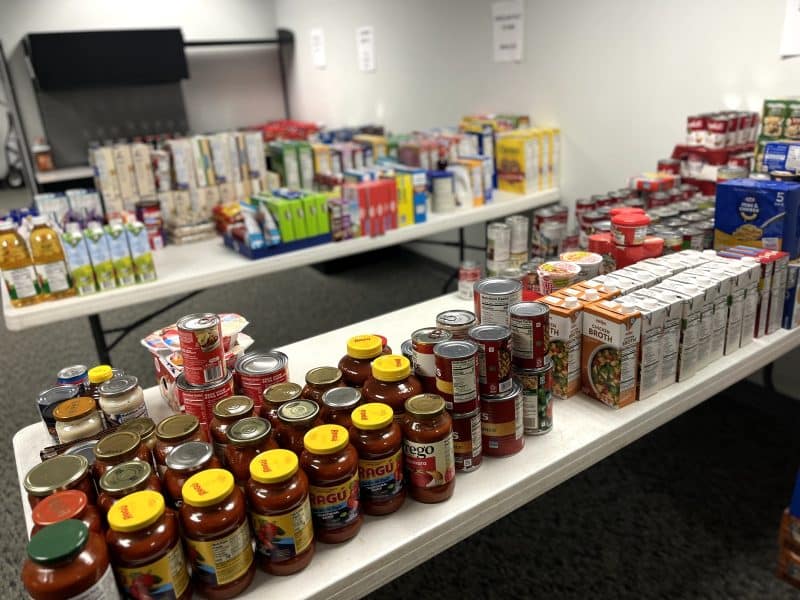
Community coalition to continue its work, even after the federal shutdown ends
Even after the federal government shutdown ends, it’s unclear when food benefits will reach families. A local coalition plans to continue its work to ease food insecurity.
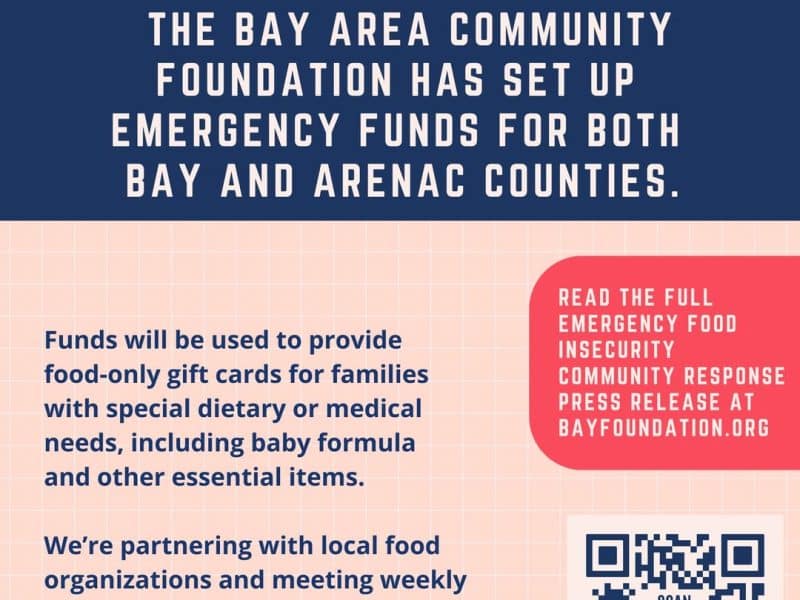
Bay County coalition is bridging the gap for families during the SNAP and WIC pause
In Bay County, a coalition formed to help families fill their dinner plates. The coalition is tackling the problem in several different ways.The Bay Area Community Foundation established a Food Insecurity Emergency Fund for both Bay and Arenac counties. At the same time, the United Way of Bay County is collecting food to divide between food banks and recruiting volunteers to meet increased demand.
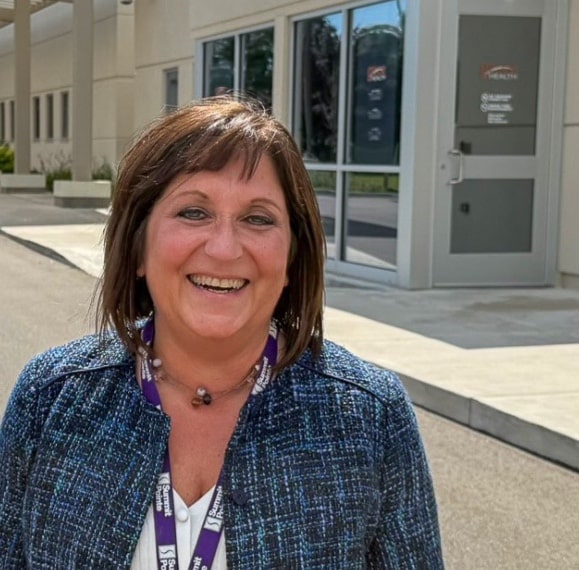
SDOH Hubs improve mental and physical health while reducing disparities
The goal is to improve health outcomes, achieve health equity, and remove barriers to opportunity.